
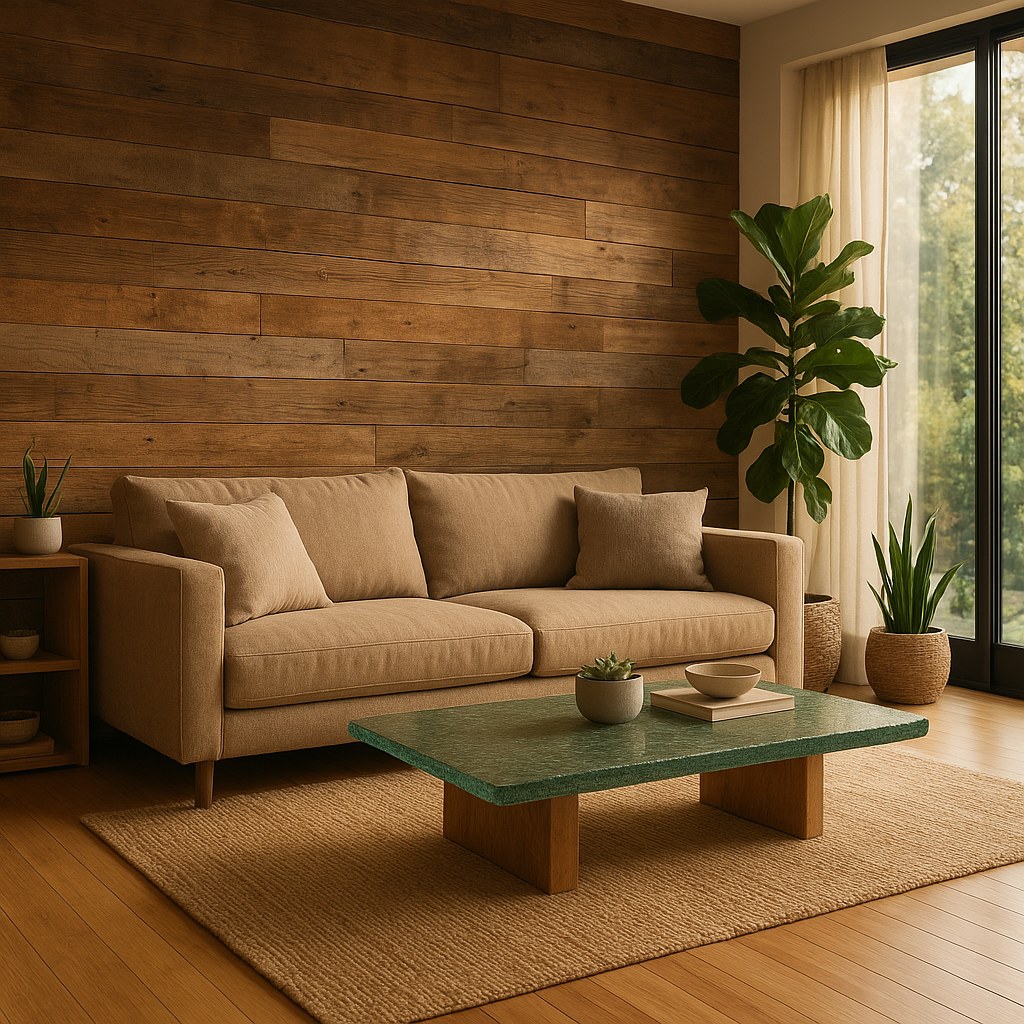
Walk into any newly built or renovated home today, and you’ll likely notice something different. It’s not just the layout or the color palette — it’s the very bones of the space. The countertops might be made from recycled glass. The floors could be reclaimed wood from a 19th-century barn. The insulation? Possibly shredded denim or mushroom roots. Welcome to the era of sustainable home design, where eco-conscious materials aren’t just a niche preference — they’re fundamentally reshaping how we think about building and decorating our living spaces.
According to a 2023 report by the U.S. Green Building Council, green building materials now account for over 40% of all construction material purchases in residential projects, up from just 25% a decade ago. This isn’t a passing trend. It’s a structural shift in the design world, driven by climate awareness, material innovation, and a growing demand for healthier living environments. Let’s explore how sustainable materials are rewriting the rules of modern home design — and what that means for homeowners, builders, and design enthusiasts alike.
Why Sustainable Materials Are Dominating Modern Home Design
The surge in sustainable material adoption isn’t happening in a vacuum. Several converging forces have pushed eco-friendly building and design from the fringes into the mainstream.
The Environmental Imperative
Buildings are responsible for roughly 39% of global carbon emissions, according to the World Green Building Council. A significant portion of that comes from embodied carbon — the emissions generated during the extraction, manufacturing, and transportation of building materials. Traditional concrete, for example, accounts for about 8% of global CO2 emissions on its own. Homeowners and architects are increasingly aware that material choices carry real environmental consequences, and they’re demanding alternatives.
Health and Indoor Air Quality
The EPA estimates that indoor air can be two to five times more polluted than outdoor air, largely due to volatile organic compounds (VOCs) released by conventional paints, adhesives, carpets, and composite wood products. Sustainable materials — like low-VOC paints, formaldehyde-free cabinetry, and natural fiber rugs — directly address this problem. For families with children, elderly residents, or anyone with respiratory sensitivities, these choices can make a meaningful difference in daily health and comfort.
Economic Sense Over the Long Term
While some sustainable materials carry a higher upfront cost, they often outperform conventional alternatives in durability, energy efficiency, and maintenance. A metal roof made from recycled content, for instance, can last 50 years or more — roughly two to three times longer than standard asphalt shingles. Bamboo flooring, when properly installed, rivals hardwood in longevity at a fraction of the environmental cost. The economics increasingly favor thinking long-term.
Top Sustainable Materials Transforming Interior Spaces
Inside the home, sustainable materials are making their presence felt in every room. Here are some of the most impactful options reshaping interior design right now.
Bamboo: The Overachiever of Sustainable Flooring
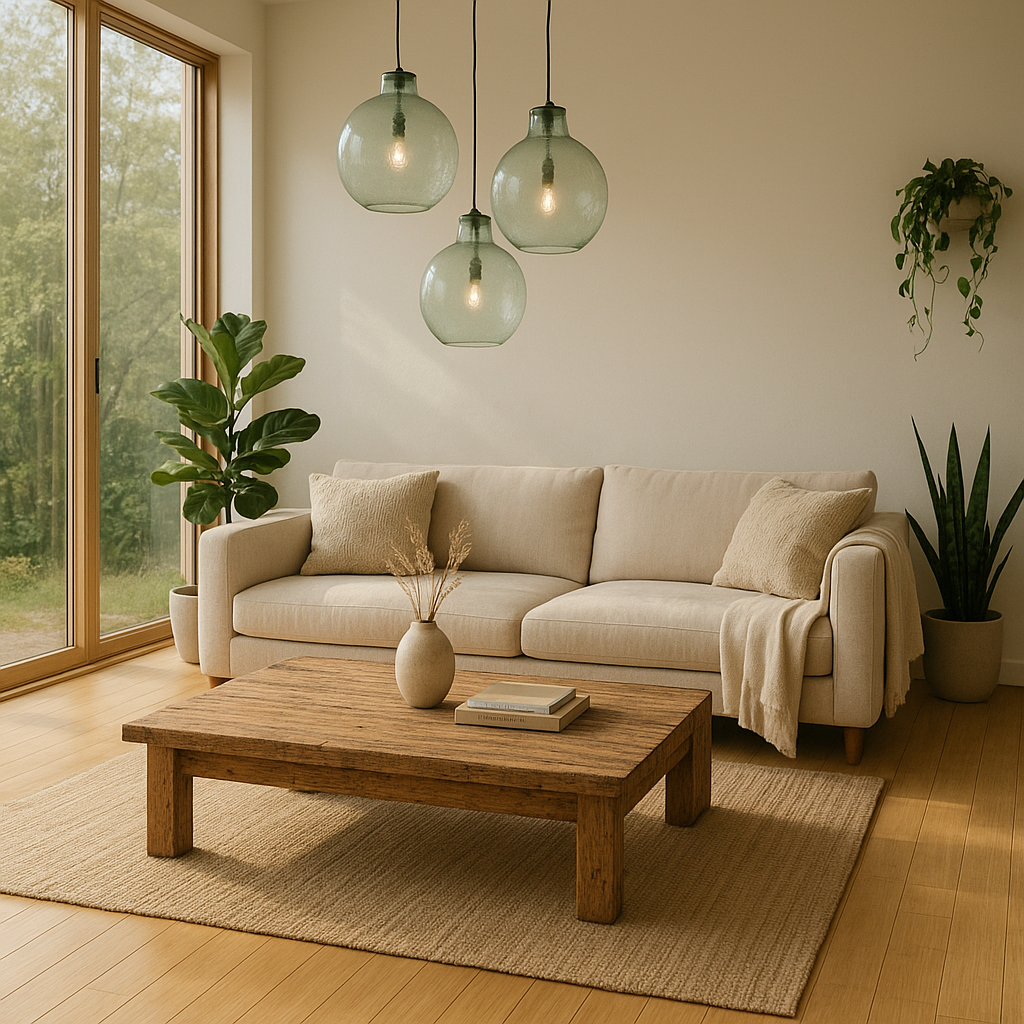
Bamboo is technically a grass, and it grows at an astonishing rate — some species can grow up to 35 inches in a single day. It reaches harvest maturity in just three to five years, compared to 20 to 120 years for traditional hardwoods. Modern strand-woven bamboo flooring is exceptionally hard (often harder than oak), dimensionally stable, and available in a wide range of finishes. It’s become a go-to choice for designers who want the warmth of wood without the deforestation guilt.
Reclaimed Wood: Character You Can’t Manufacture
There’s something irreplaceable about wood that has lived a previous life. Reclaimed timber from old barns, factories, and warehouses brings a depth of patina, grain variation, and history that new lumber simply can’t replicate. Beyond aesthetics, using reclaimed wood keeps usable material out of landfills and eliminates the demand for virgin timber. It’s being used for everything from accent walls and ceiling beams to custom furniture and kitchen islands.
Recycled Glass and Paper Composite Countertops
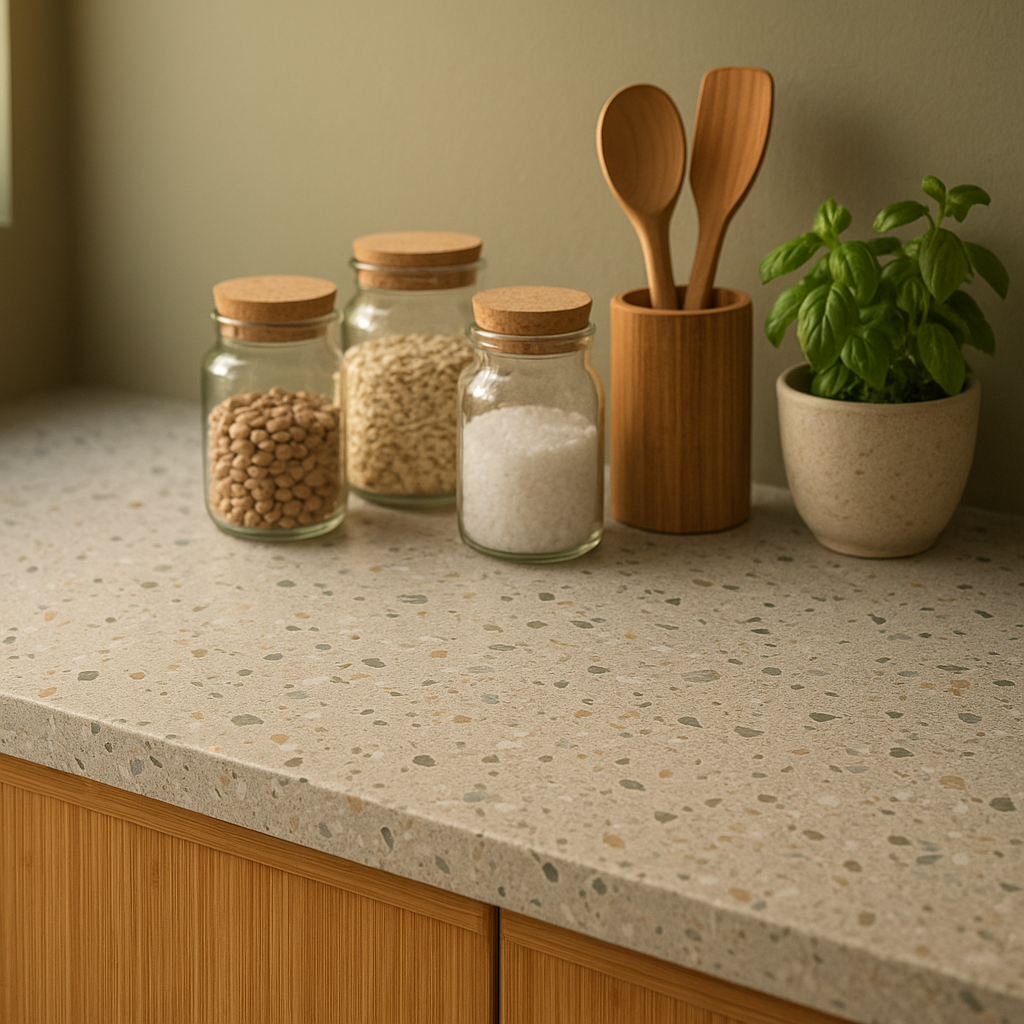
Move over, granite. Countertops made from recycled glass embedded in a cement or resin base offer a striking, terrazzo-like appearance with serious environmental credentials. Brands like Vetrazzo use up to 85% recycled glass from sources like old windows, bottles, and even traffic lights. Similarly, paper composite countertops — made from post-consumer recycled paper and non-petroleum resins — are heat-resistant, non-porous, and surprisingly durable. They develop a natural patina over time that many homeowners find appealing.
Cork: Soft, Warm, and Remarkably Sustainable
Cork is harvested from the bark of cork oak trees without cutting the tree down — the bark regenerates every nine years. This makes it one of the most renewable building materials on the planet. Cork flooring is naturally antimicrobial, hypoallergenic, fire-resistant, and provides excellent thermal and acoustic insulation. It’s also comfortable underfoot, making it a smart choice for kitchens, playrooms, and home offices.
Sustainable Exterior and Structural Materials Changing the Game
While interiors get most of the attention, the exterior and structural components of a home offer some of the biggest opportunities for sustainable material innovation.
Mass Timber and Cross-Laminated Timber (CLT)
Mass timber — including cross-laminated timber, glue-laminated beams, and nail-laminated panels — is revolutionizing residential construction. CLT panels are made by layering wood boards in alternating directions and bonding them with structural adhesives, creating panels strong enough to replace steel and concrete in many applications. Wood sequesters carbon rather than emitting it, and mass timber buildings can reduce construction-related emissions by 25% to 45% compared to conventional concrete and steel, according to research published in the Journal of Building Engineering.
Hempcrete: The Carbon-Negative Concrete Alternative
Hempcrete is a bio-composite material made from the woody inner core of the hemp plant mixed with a lime-based binder. It’s lightweight, breathable, and provides excellent thermal insulation. Most remarkably, hempcrete is carbon-negative — the hemp plant absorbs more CO2 during growth than is emitted during processing and construction. While it’s not load-bearing and requires a structural frame, it’s gaining serious traction as an insulating wall infill material in eco-conscious home builds.
Recycled Metal Roofing
Metal roofing made from recycled steel or aluminum is one of the most durable and sustainable exterior options available. It reflects solar heat (reducing cooling costs by 10% to 25%), is 100% recyclable at end of life, and can last half a century or longer. Many recycled metal roofs contain 25% to 95% recycled content, making them a closed-loop material in the truest sense.
Rammed Earth and Adobe
Ancient building techniques are having a modern renaissance. Rammed earth walls — created by compacting layers of earth, sand, and sometimes stabilizers like lime — offer exceptional thermal mass, fire resistance, and a striking natural aesthetic. They regulate indoor temperatures passively, reducing reliance on mechanical heating and cooling. Modern rammed earth construction uses precise engineering and can incorporate recycled aggregates for added sustainability.
How to Integrate Sustainable Materials Into Your Home
Knowing about sustainable materials is one thing. Actually incorporating them into a renovation or new build requires a thoughtful approach. Here’s how to do it without feeling overwhelmed.
Start With High-Impact, Low-Effort Swaps
You don’t need to gut your entire home to make a difference. Start with materials that are easy to change and have an outsized impact on health and sustainability:
- Paint: Switch to zero-VOC or low-VOC paints. Every major paint manufacturer now offers eco-friendly lines that perform just as well as conventional options.
- Flooring: If you’re replacing carpet or vinyl, consider bamboo, cork, reclaimed hardwood, or polished concrete with a non-toxic sealant.
- Textiles: Choose organic cotton, linen, hemp, or wool for curtains, upholstery, and bedding. Look for certifications like GOTS (Global Organic Textile Standard) and OEKO-TEX.
- Cabinetry: Opt for formaldehyde-free plywood or FSC-certified solid wood. Some manufacturers now use soy-based adhesives instead of urea-formaldehyde glues.
Prioritize Locally Sourced and Regionally Appropriate Materials
The greenest material isn’t always the most exotic one. Shipping bamboo from Asia to a home in Ohio carries a significant carbon footprint. Whenever possible, look for materials that are harvested, manufactured, or reclaimed within your region. Local stone, regional hardwoods, and locally made recycled-content products often offer the best combination of sustainability and practicality.
Ask About Certifications and Transparency
Greenwashing is real. Some products are marketed as “natural” or “eco-friendly” without meaningful third-party verification. Look for credible certifications that validate environmental claims:
- FSC (Forest Stewardship Council): Ensures wood products come from responsibly managed forests.
- Cradle to Cradle Certified: Evaluates products across five categories including material health, recyclability, and social fairness.
- GREENGUARD: Certifies that products meet strict chemical emissions limits for indoor use.
- Energy Star: Relevant for windows, doors, and roofing materials that contribute to energy efficiency.
- Declare Labels: Provide full transparency about a product’s ingredients, sourcing, and lifecycle.
Think in Terms of Lifecycle, Not Just Purchase Price
A material’s true cost includes its production footprint, transportation, installation, maintenance, lifespan, and end-of-life disposal or recyclability. A cheap laminate countertop might cost less upfront than a recycled glass one, but if it needs replacing in eight years and ends up in a landfill, the long-term environmental and financial math shifts considerably. Prioritize materials that are durable, repairable, and recyclable.
Common Misconceptions About Sustainable Home Materials
Despite growing adoption, several myths about sustainable building materials persist. Let’s address the most common ones.
“Sustainable Materials Are Always More Expensive”
This is partially true but increasingly outdated. While some eco-friendly options carry a premium, the price gap has narrowed significantly. Bamboo flooring is often cheaper than mid-range hardwood. Reclaimed materials can be sourced for free or at low cost from salvage yards. And when you factor in durability, energy savings, and reduced maintenance, many sustainable materials deliver better total value over time.
“Eco-Friendly Means Rustic or Boring”
Sustainable design has shed its crunchy, granola aesthetic. Today’s eco-friendly materials span every design style — from ultra-modern minimalist to warm industrial to classic traditional. Recycled glass countertops can look sleek and contemporary. Mass timber can create dramatic, light-filled spaces that feel both cutting-edge and warm. The notion that sustainability requires aesthetic sacrifice simply doesn’t hold up anymore.
“Natural Materials Are Always the Best Choice”
Not necessarily. Some natural materials have significant environmental drawbacks. Certain natural stone, for example, requires energy-intensive quarrying and long-distance transportation. Old-growth wood, while natural, contributes to deforestation of irreplaceable ecosystems. The key is evaluating materials holistically — considering renewability, processing energy, transportation, durability, and end-of-life impact — rather than assuming “natural” automatically equals “sustainable.”
The Future of Sustainable Home Design
The sustainable materials movement is still accelerating. Emerging innovations are poised to push the boundaries even further in the coming years.
Mycelium-based materials — grown from mushroom roots — are being developed for insulation, acoustic panels, and even furniture. They’re fully biodegradable and can be grown into custom shapes with minimal energy. Bio-based plastics derived from algae and agricultural waste are beginning to appear in hardware, fixtures, and surface materials. And 3D printing with recycled materials and earth-based compounds is opening new possibilities for affordable, low-waste construction.
On the regulatory front, building codes are evolving. Several U.S. states and municipalities now offer incentives for green building materials, and embodied carbon limits are being introduced in some jurisdictions. The market is responding accordingly — sustainable material options at major retailers have expanded dramatically, and prices continue to become more competitive.
Conclusion
Sustainable materials are no longer a footnote in home design — they’re becoming the headline. From bamboo flooring and reclaimed wood to hempcrete walls and recycled metal roofing, eco-conscious materials are proving that environmental responsibility and beautiful, high-performance design aren’t mutually exclusive. They’re a natural fit.
The shift is being driven by genuine environmental urgency, improved material science, growing health awareness, and evolving economics that increasingly favor durability and efficiency. Whether you’re planning a full home build, a major renovation, or a simple room refresh, the sustainable material options available today are more diverse, more accessible, and more design-forward than ever before.
The rules of modern home design are being rewritten — not by a single material or trend, but by a fundamental rethinking of what our homes are made of and what values those choices reflect. For anyone invested in creating spaces that are healthier, more responsible, and built to last, that’s genuinely exciting news.